
Jordan is not only a destination for history enthusiasts and adventure seekers—it is also a paradise for food lovers. From the vibrant streets of Amman to the dramatic landscapes of Wadi Rum, Jordan's culinary traditions reflect centuries of history, cultural influences, and legendary hospitality. Every meal tells a story, offering visitors an unforgettable journey through the tastes, aromas, and traditions of the Kingdom.
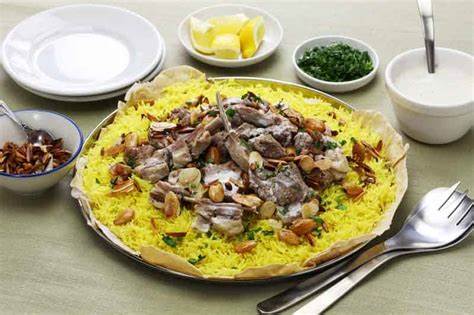
Mansaf: Jordan's National Dish and Symbol of Hospitality
No culinary journey through Jordan is complete without experiencing mansaf, the country's national dish and a powerful symbol of generosity, celebration, and community.
Prepared with tender lamb slow-cooked in a rich fermented yogurt sauce known as jameed, mansaf is traditionally served over fragrant rice and garnished with nuts. The dish is presented on a large communal platter, encouraging family and friends to gather and share in a cherished Jordanian tradition.
Mansaf is commonly served during weddings, family celebrations, and important social occasions, making it much more than a meal—it's a cultural experience. Visitors to Amman can enjoy authentic mansaf in traditional restaurants, where the warm atmosphere and time-honored preparation methods offer a true taste of Jordanian hospitality.
Falafel and Hummus: The Heart of Jordanian Street Food
Amman's bustling food scene offers countless opportunities to sample two of the Middle East's most beloved dishes: falafel and hummus.
Jordanian falafel is famous for its crispy exterior, soft and flavorful interior, and aromatic blend of chickpeas, herbs, and spices. Served in freshly baked pita bread with tomatoes, pickles, lettuce, and tahini sauce, it is the perfect street-food experience.
Equally essential is hummus, the creamy chickpea dip blended with tahini, lemon juice, garlic, and olive oil. Whether enjoyed as a breakfast staple, appetizer, or snack, hummus remains a cornerstone of Jordanian cuisine.
In downtown Amman, visitors can experience the city's vibrant culinary culture by visiting traditional eateries that have served locals and travelers for generations.
Zarb: A Traditional Bedouin Feast in Wadi Rum
For a truly unforgettable dining experience, head to the spectacular desert landscapes of Wadi Rum and discover zarb, a traditional Bedouin barbecue cooked beneath the desert sands.
Zarb consists of marinated lamb or chicken cooked alongside vegetables such as potatoes, carrots, and onions in an underground oven. The ingredients are carefully seasoned, placed in a metal rack, buried beneath hot coals, and slow-cooked for several hours.
The result is exceptionally tender meat infused with smoky flavors and desert spices. Enjoying zarb beneath a canopy of stars while surrounded by Wadi Rum's dramatic sandstone mountains is one of Jordan's most authentic and memorable travel experiences.
Many Bedouin camps throughout Wadi Rum offer visitors the opportunity to experience this centuries-old culinary tradition as part of an overnight desert stay.
Maqluba: Jordan's Famous "Upside-Down" Dish
Another beloved Jordanian specialty is maqluba, which literally translates as "upside down."
This hearty dish combines layers of rice, meat—typically chicken or lamb—and vegetables such as eggplant, cauliflower, and potatoes. After slow cooking, the pot is dramatically inverted before serving, revealing a beautifully layered masterpiece.
Maqluba is often prepared for family gatherings and celebrations and reflects the importance of sharing meals in Jordanian culture. Rich, comforting, and flavorful, it remains one of the country's most cherished traditional dishes.
Jordan's Sweet Traditions
No visit to Jordan would be complete without sampling its rich selection of traditional desserts and sweets.
Among the most famous is kunafa, a decadent pastry made with shredded filo dough, sweet syrup, and melted cheese or semolina filling. Served warm and often accompanied by Arabic coffee, kunafa is one of Jordan's most beloved treats.
Baklava, featuring layers of delicate pastry filled with nuts and soaked in syrup, offers another irresistible taste of the region's culinary heritage. Visitors should also try qatayef, small stuffed pancakes traditionally enjoyed during Ramadan but increasingly available year-round.
Jordan's pastry shops and bakeries offer visitors the perfect opportunity to indulge in these sweet traditions while experiencing local hospitality.
Discover Jordan Through Its Markets
One of the best ways to explore Jordan's culinary culture is by visiting its traditional markets and souks.
In Amman, visitors can wander through bustling markets filled with freshly baked bread, aromatic spices, seasonal fruits, olive oils, nuts, and traditional sweets. The vibrant atmosphere offers a sensory journey into the heart of Jordanian daily life.
Markets in cities such as Madaba and Aqaba provide additional opportunities to discover local ingredients, regional specialties, and centuries-old culinary traditions. Exploring these markets allows travelers to connect with the people, flavors, and stories that define Jordanian cuisine.
Experience the True Taste of Jordan
Jordan's culinary landscape is as diverse and captivating as its natural and historical treasures. Whether sharing a traditional mansaf in Amman, enjoying fresh falafel from a local street vendor, or savoring a Bedouin zarb feast beneath the stars of Wadi Rum, every meal becomes part of the travel experience.
The Kingdom's rich flavors, authentic traditions, and legendary hospitality create memories that last long after the journey ends. When planning your visit to Jordan, be sure to leave room on your itinerary not only for its ancient wonders and breathtaking landscapes, but also for the extraordinary cuisine that truly captures the spirit of the country.